Enterprises without import-export qualifications are not barred from introducing advanced overseas equipment. The key lies in adopting compliant approaches rather than taking risky grey-channel routes such as “nominal-party import”. For manufacturing and R&D enterprises in urgent need of overseas equipment, entrusting a qualified third-party agency to conduct import agency services has become the most reliable and efficient solution available.
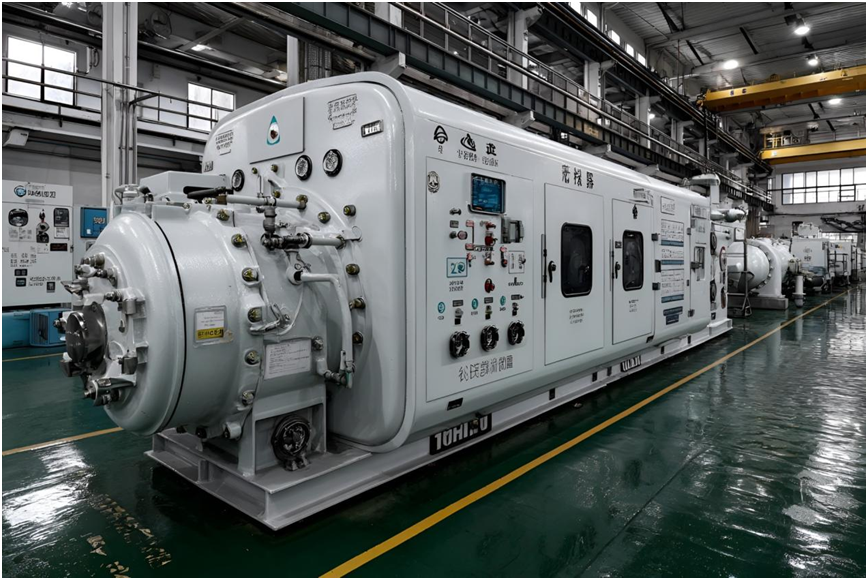
Image Source:699pic.com
Compliance Pathways: Import Agency Is the Only Legitimate Solution
Under the Foreign Trade Law and customs regulatory requirements, enterprises without import-export operational rights may not engage directly in import-export business in their own name. Two major models are currently available:
1. Trade Agency Model
The agency company signs contracts with overseas suppliers, makes foreign-exchange payments and completes customs clearance in its own name. After customs release, it sells the imported equipment to the entrusting enterprise and issues a value-added-tax invoice. This model suits complex businesses requiring supplier payment, letter-of-credit issuance or special permits.
2. Dual-heading Customs Declaration Model
The entrusting enterprise signs contracts directly with foreign suppliers. On the customs declaration form, the “domestic consignee” is the import agency company, while the “end-user and consuming entity” is the actual equipment-using enterprise. This model incurs lower costs and fits scenarios where the client already has overseas supply and only requires customs-clearance support.
Whichever model is adopted, the core principle shall be: the entrusting party holds ownership of goods, while the agency bears operational liabilities. All taxes and duties must be genuinely paid via the customs electronic payment system. Reject any non-compliant promises such as “all-in tax-inclusive clearance”.
Risk Pre-check: Three Mandatory Tasks before Equipment Arrival at Port
Many enterprises mistakenly believe that signing an agency agreement eliminates all risks. Compliance risks for imported equipment must not be overlooked. The three following tasks must be completed before equipment shipment
1. Commodity Classification and Regulatory Condition Confirmation
Determine the correct HS code, and identify applicable regulatory requirements including Automatic Import Licence (Certificate O), 3C certification, and filing for used mechanical and electrical products. Certain mechanical and electrical goods require enterprises to apply for an Automatic Import Licence from competent commerce authorities.
2. Pre-shipment Inspection (CCIC) for Used Mechanical and Electrical Equipment
For used mechanical-and-electrical imports, pre-shipment inspection must be performed overseas by a customs-recorded CCIC institution and the corresponding certificate obtained. Without this certificate, domestic ports will reject customs-declaration submissions.
3. Screening against Prohibited Import Catalogues
Cross-check equipment against relevant catalogues. Equipment listed in prohibited categories, whether new or used, shall not be imported.
Cost Optimisation: Leverage Preferential Tax Policies
Eligible enterprises can reduce overall import-equipment costs by taking advantage of policy incentives. For state-encouraged projects, self-use imported equipment, accompanying technologies and supporting spare parts imported within the total investment scope may enjoy tariff exemption. Furthermore, the 13% import-link value-added tax can be fully deducted by general-tax-payer enterprises, resulting in a low real-tax burden.
Selecting an Import Agent: Both Qualifications and Practical Experience Matter
When selecting an agency, verify its relevant certificates and customs AEO compliance rating. Prioritise institutions established for over five years with proven experience handling similar imported-equipment cases. In written agency agreements, clearly allocate liabilities for abnormal scenarios such as document errors, customs-valuation disputes and port-storage surcharges.
Conclusion
Enterprises lacking import-export qualifications do have viable options for importing overseas equipment. By combining compliant agency services, upfront risk assessment and full utilisation of preferential policies, enterprises can achieve smooth customs clearance while keeping costs under control. Advanced overseas equipment can then be put into production promptly to drive quality improvement and efficiency gains.
- pre:What Is the Registration Process for an Overseas Company When Investing in Factory Construction?
- next:Going Global Without Missteps: Core Strategies and Tips to Avoid Risks When Entering Overseas Markets
Please click to consult us immediately or call the hotline: 4006-979-616We will solve the problems in your heart in detail。Online consultation